Free Field Guide · New London & Groton

Submarineland

A practical guide for people arriving in the submarine community.

New to New London, Groton, the river, the base, the shipyard, or the defense world around them? Start here. No form. No login. Just a useful guide meant to be passed along.

Start here.

Submarineland is not a tourist brochure. It is a plainspoken orientation to the life around the Thames: the people, neighborhoods, habits, rooms, and rhythms that make the submarine community feel less temporary.

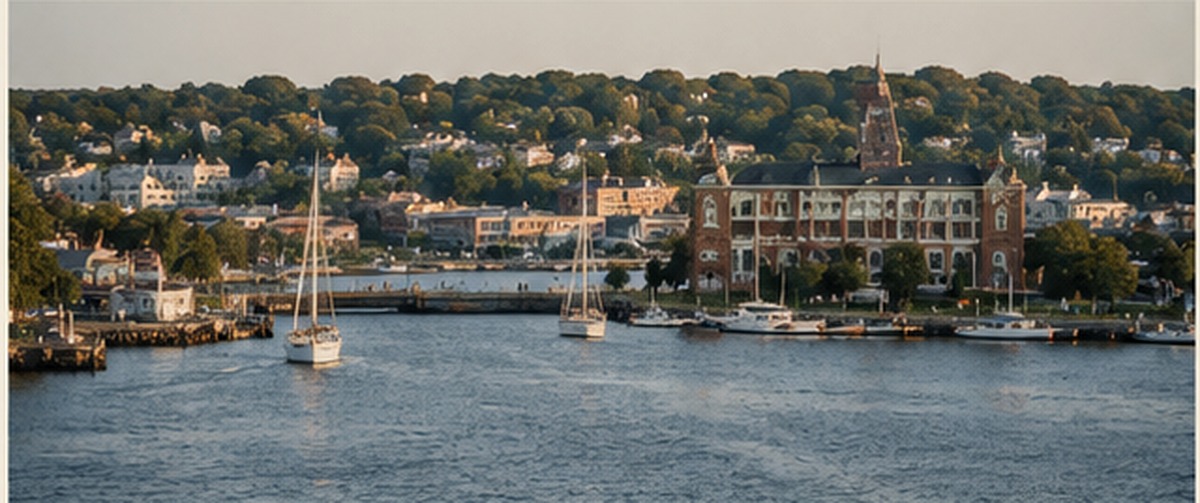
New London waterfront and Groton across the Thames at early evening

Arriving in Submarineland

The submarine world is not just a workplace. It is a geography. New London, Groton, the Thames River, the base, the shipyard, the contractors, the schools, the hotels, the apartments, the diners, the clubs, and the old streets all form one working neighborhood.

For someone arriving from another state, another command, another company, or another phase of life, the area can feel oddly compressed at first. Everything is close, but not always obvious. The useful places are learned by repetition and recommendation.

The purpose of this guide is simple: make the first week easier.

Keep it on your phone. Send it to someone transferring in. Print it for a welcome packet. The guide is free because useful things travel farther when no one has to ask permission to share them.

The river is the center.

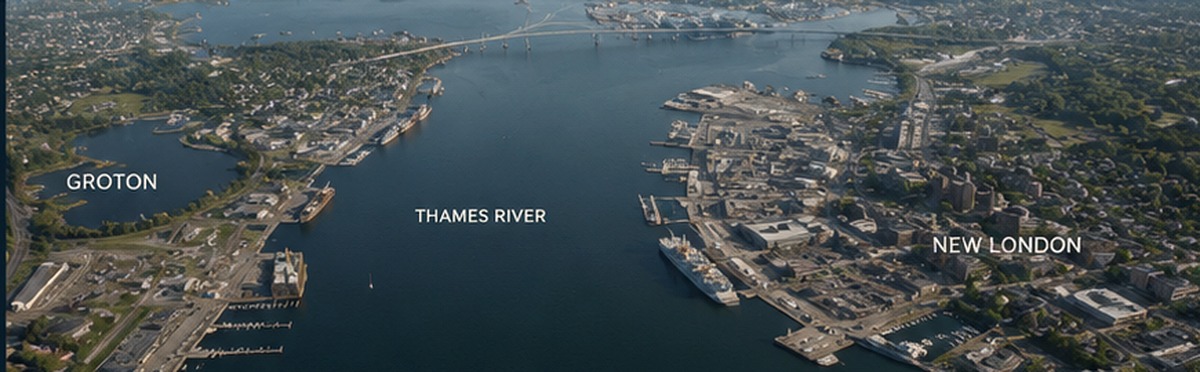
The Thames River divides New London and Groton, but in daily life it binds them. One side holds the old city, train station, restaurants, State Street, the waterfront, and the long civic memory of the port. The other side carries the working weight of the submarine base, the shipyard, and much of the industrial ecosystem that supports the fleet.

That two-bank life matters. People work on one side, live on another, meet in a third place, and slowly build a mental map that is less about town lines than usefulness.

Submarineland is the name for that practical map.

The Thames River connecting New London and Groton

What people wish they knew when they arrived.

After work matters.

The real adjustment is not only where to report. It is where the rest of the day goes.

Where to land

Find a few dependable rooms: a quiet table, a familiar bar, a place to read, a place to meet someone without starting from scratch.

Who to ask

Local knowledge moves through people. The right introduction saves weeks of guessing.

How to stay

A place becomes livable when routines form: lunch, errands, water, walks, events, dinner, and the small habits of belonging.

Distribution plan

Put the guide where people already arrive: hotel desks, relocation packets, member emails, LinkedIn posts, contractor onboarding notes, real estate offices, and informal welcome messages.

Do not gate it. Do not make people fill out a form. The whole point is pass-along value.

Help people first, then invite them to visit us.

Arrange a Visit

Free. Useful. Meant to travel.

Submarineland is published as a civic resource by The Thames Club for those arriving, working, serving, building, and settling into the life around the Thames.